Guotai Haitong: Moderate RMB Appreciation and Export Resilience Can Coexist, with Industrial Competitiveness the Fundamental Support
Since the start of the year, the RMB has strengthened overall against the US dollar, yet exports have remained buoyant. How to understand exports staying resilient amid currency appreciation?Yu Bo, ch
Since the start of the year, the RMB has strengthened overall against the US dollar, yet exports have remained buoyant. How to understand exports staying resilient amid currency appreciation?
Yu Bo, chief macroeconomic analyst at Guotai Haitong Securities, told Securities Daily that under the traditional logic, an appreciating currency raises the foreign-currency prices of exports or squeezes exporters' margins in local-currency terms. Yet export performance has not simply followed that script.
"Three factors have changed the relationship between the exchange rate and exports," Yu said. The first is that RMB appreciation against the US dollar does not mean simultaneous appreciation against all trading partners, and weak domestic inflation is also buffering the real appreciation pressure. In August 2026, the RMB real effective exchange rate index stood at 91.77, up about 2.6% from the end of 2025 — clearly below the 5.1% rise in the nominal effective exchange rate index and the 4.4% appreciation of the RMB against the US dollar. Meanwhile, the real effective exchange rate remains about 14.5% below its March 2022 peak, so the moderate appreciation has not fully eroded the price advantage accumulated during the earlier real depreciation.
The change in export structure is the second key variable. "Exports have shifted toward goods with higher technology content and lower substitutability, and the natural hedge formed by imported intermediate inputs has weakened exports' sensitivity to the exchange rate," Yu analyzed. In recent years, the exchange rate elasticity of China's export volumes has declined while the pass-through from the exchange rate to export prices has strengthened — a sign of the export basket moving up the value chain. Moreover, some electronics trade has a "both ends abroad" character, with processing and imported-materials imports growing clearly faster than general trade; both types of trade also dampen the impact of appreciation on exports.
The growing use of RMB settlement and foreign exchange hedging has, at the enterprise level, reduced the transmission of exchange rate volatility to exports. Yu noted that in the first half of 2026, RMB cross-border receipts and payments in goods trade reached 30% of total local- and foreign-currency cross-border receipts and payments over the same period, while the corporate foreign exchange hedging ratio rose to 35%, further weakening the impact of exchange rate swings on exporters' cash flows and order decisions.
With these three buffers in place, Yu's judgment is that moderate RMB appreciation will not necessarily reverse export resilience. Historical episodes in which the exchange rate and market share rose together owed more to improved industrial competitiveness. Buffered by the domestic-external inflation gap, product upgrading and risk management, a gradual, moderate RMB appreciation is compatible with resilient exports; export growth is more likely to be affected by global demand, the AI industry chain's momentum, and changes in trade barriers.
(Source: Securities Daily)
Related Articles
RMB Exchange Rate Extends Two-Way Volatility as Market Pricing and Policy Transparency Keep Improving

Onshore Yuan Closes at 6.7817 Against Dollar, Down 33 Pips

Hong Kong Dollar Stablecoin Launch 2026: HKMA Issues First Licenses to HSBC & Anchor

Japan Finance Minister Katayama: Ready to Act on Currency Volatility When Necessary
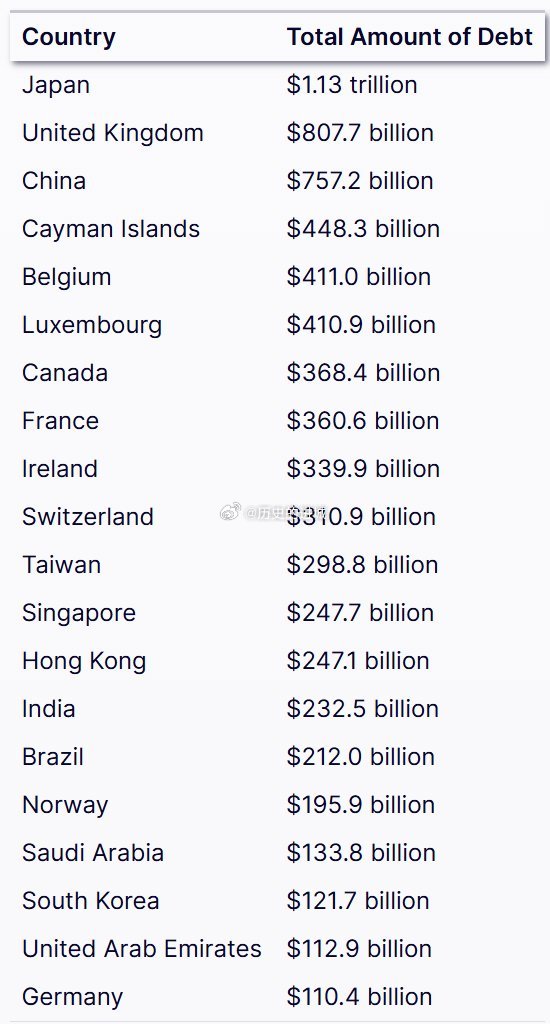
As of April 2025, the top three foreign holders of U.S. Treasury bonds are Japan, the United Kingdom, and China