Hong Kong Dollar Stablecoin Launch 2026: HKMA Issues First Licenses to HSBC & Anchor
Hong Kong Monetary Authority grants first stablecoin licenses to HSBC and Anchor Financial. Learn how HKD stablecoins will transform payments, cross-border transfers, and digital asset trading in 2026.
Hong Kong Dollar Stablecoin: A New Era for Digital Payments in Asia
The Hong Kong Monetary Authority (HKMA) has officially granted the first batch of stablecoin issuer licenses, marking a significant milestone in the region's cryptocurrency regulation. On April 10, 2026, HSBC Bank and Anchor Financial Technology received approval to launch regulated Hong Kong Dollar (HKD) stablecoins, bringing digital currency into mainstream financial services.
What Are HKD Stablecoins and Why Do They Matter?
Stablecoins are digital currencies pegged to traditional fiat money, offering the stability of conventional currency with the efficiency of blockchain technology. The newly licensed HKD stablecoins will enable instant peer-to-peer transfers, merchant payments, and investment in tokenized assets—all backed 1:1 by reserves held in segregated accounts.
According to HKMA Chief Executive Eddie Yue, the licensing process took six months of rigorous review under the Stablecoins Ordinance. The high barriers to entry ensure only institutions with robust compliance frameworks receive approval.
HSBC's Consumer-Focused Approach
HSBC plans to integrate its HKD stablecoin directly into PayMe and the HSBC HK App—two of Hong Kong's most widely used digital payment platforms. This seamless integration means users will be able to:
- Transfer money instantly to friends and family
- Pay participating merchants directly with stablecoins
- Subscribe to tokenized investment products
The banking giant targets a second-half 2026 launch and has committed to maintaining reserves at a 1:1 ratio with the highest standards of financial crime compliance.
Anchor Financial's B2B2C Strategy
Anchor Financial Technology—a joint venture between Standard Chartered Hong Kong, HKT, and Animoca Brands—plans to launch HKDAP in Q2 2026. Unlike HSBC's direct-to-consumer model, Anchor is adopting a B2B2C approach, initially targeting institutional users through authorized distributors.
The company will launch on Ethereum first, with plans to expand to other public blockchains.
Transforming Cross-Border Payments
One of the most promising applications is cross-border payments. Traditional international transfers typically involve 4-6 intermediary banks, take T+3 days to settle, and carry high fees. Standard Chartered's new settlement solution using stablecoins and public blockchains eliminates these bottlenecks.
By reducing intermediaries, transaction costs drop significantly while funds move faster and working capital becomes more efficient.
Real World Asset Tokenization
Beyond payments, stablecoins are expected to drive growth in Real World Asset (RWA) tokenization. Using stablecoins for financial products like funds, bonds, and stocks enables near-instant settlement with greater transparency than traditional methods.
Strict Regulatory Oversight
The HKMA has made it clear that licensing standards will remain stringent. Both licensed institutions have committed to strict anti-money laundering procedures, monthly reserve audits, and continuous monitoring of ecosystem partners.
Future Expansion Plans
Looking ahead, both HSBC and Anchor plan to expand their stablecoin offerings. HSBC intends to launch non-HKD denominated stablecoins after the initial rollout and enable cross-border transfers with other regulated jurisdictions.
Conclusion: A Milestone for Asian Digital Finance
Hong Kong's stablecoin licensing represents the culmination of a four-year journey from regulatory exploration in 2022 to full implementation in 2026. Following the principle of same activity, same risk, same regulation, the territory has established itself as a leading hub for regulated digital assets in Asia.
For forex traders and investors, this development signals growing institutional acceptance of digital currencies and opens new avenues for efficient cross-border transactions. As these stablecoins roll out through 2026, they promise to reshape how individuals and businesses move money across borders.
Stay informed about the latest developments in Asian forex markets with ChinaFXTools.
Related Articles
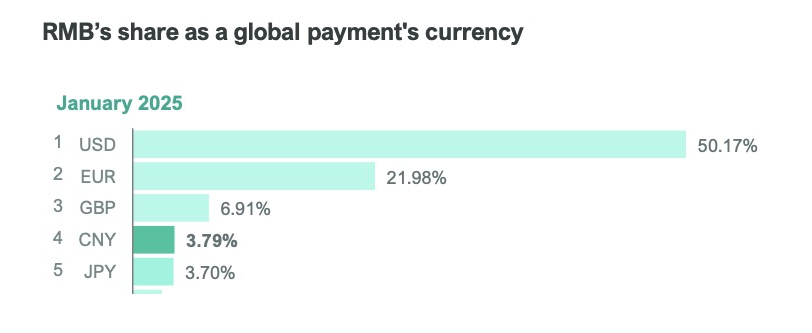
January 2025 Swift Global Payment Currency Ranking Statistics: The Renminbi accounted for 3.79% and ranked fourth.
At the end of June 2025, China's foreign exchange reserves stood at $3.32 trillion, with gold reserves totaling 73.9 million ounces

Six Ministries Jointly Issue Plan: Offshore Financial Reform Lands in Pudong, Defining Six Priority Business Categories
China Q1 Aggregate Finance Hits 14.83 Trillion Yuan: M2 +8.5%, What It Signals for CNY (Apr 13)
PBOC's 7-Day Reverse Repo at Zero for Seven Straight Sessions: What Signal Is Being Sent?
