Has Japan-U.S. Joint Intervention Failed? Yen Gives Back Most Gains as Next 'Red Line' Nears
Has the "whatever-it-takes" joint intervention by the U.S. Treasury Secretary and Japan to support the yen failed? If the yen breaks through the 160 level again, will the Japanese government and the U
Has the "whatever-it-takes" joint intervention by the U.S. Treasury Secretary and Japan to support the yen failed? If the yen breaks through the 160 level again, will the Japanese government and the United States take action again?
In late July, the yen exchange rate once fell to a 40-year low of around 164 yen per U.S. dollar. Subsequently, Japan and the United States jointly intervened in the foreign exchange market, and the yen rebounded rapidly, rising to 155.20 yen per U.S. dollar on August 3.
However, this rebound did not last long. On August 10, the yen against the U.S. dollar approached 159, basically giving back more than half of the gains brought by the intervention; on August 11, the yen was still fluctuating around 159.
Fading Intervention Effect
On July 31, Japan and the United States jointly intervened in the foreign exchange market for the first time in 15 years, trying to curb the rapid depreciation of the yen. Afterwards, the market once saw obvious "buy yen, sell dollar" trading.
The U.S. non-farm payroll data released on August 7 was significantly weaker than market expectations, further strengthening market expectations of future Fed rate cuts, putting pressure on the dollar, and pushing the yen exchange rate to around 156.60 yen per U.S. dollar.
However, the strengthening momentum soon weakened. In the early morning of August 10, the yen exchange rate returned to the level before the U.S. employment data release, and fell back to around 159 yen per U.S. dollar that morning.
From the perspective of the exchange rate trend, the appreciation space created by the intervention is being gradually digested.
From a technical point of view, "159" is becoming an important position of market concern. Although the yen had previously broken through the 200-day moving average, it failed to stabilize above this long-term trend indicator and subsequently weakened again.
The 200-day moving average is usually used by the market to judge medium- and long-term trends. When an exchange rate breaks through this indicator but fails to sustain it, it often means that the market's confirmation of a trend reversal is still insufficient.
Therefore, from the current trend, although this intervention successfully stopped the rapid decline of the yen, it has not yet proven that it has changed the long-term depreciation trend of the yen.
Fundamentals Hard to Change
Mark Chandler, chief market strategist at Bannockburn Capital Markets, believes that this joint Japan-U.S. intervention has forced some speculators who were previously shorting the yen to close their positions and cover yen short positions.
This judgment is also confirmed by market data. CFTC data shows that as of the most recent four trading days, the net short positions in yen held by non-commercial traders including hedge funds have fallen by about 70% from the previous week.
This means that the intervention has indeed produced obvious short-term effects: on the one hand, the yen exchange rate rebounded rapidly; on the other hand, a large amount of speculative capital betting on continued yen depreciation began to withdraw, and the pressure of yen short positions in the market has clearly eased.
But the problem is that after speculative shorts have been greatly reduced, the yen has weakened again.
This shows that the recent yen depreciation is not only driven by speculative funds. The fundamental factors that truly affect the exchange rate still exist: interest rate differentials between Japan and the United States, trade balances, and cross-border capital flows continue to affect the yen exchange rate. Although foreign exchange intervention can change market supply and demand in the short term, it is difficult to fundamentally change the economic logic behind the exchange rate.
When the Japanese government buys yen, it is equivalent to artificially increasing yen demand in a short period of time, thereby pushing up the yen exchange rate. However, if the market still believes that dollar assets can provide higher returns, investors still have the incentive to hold dollars and sell yen.
At present, the interest rate differential between Japan and the United States is still obvious. The Bank of Japan's policy rate is 1%, while U.S. interest rates are at a relatively high level of 3.5% to 3.75%. As long as this interest rate differential still exists, funds lack sufficient motivation to shift to yen assets on a large scale in the long term, and it is difficult for the yen to get rid of depreciation pressure.
At the same time, real dollar demand from the physical economy has not disappeared. Japan is highly dependent on energy and raw material imports. For Japanese import companies, rising international oil prices mean paying more dollars for the same amount of energy, so companies need to sell yen and buy dollars in the foreign exchange market. This dollar demand generated by real trade activities continues to put pressure on the yen.
Related Articles

Global Asset Allocation Expands: New Batch of QDII Quotas Set to Open

China MOFCOM: Both Trade Teams to Finalize Arrangements and Expedite Implementation of $30B Reciprocal Tariff Reduction Framework

PBOC Continues Gold Purchases for 21st Consecutive Month

Major Chinese Banks Successfully Complete First Offshore RMB FX Pilot Trading in Shanghai FTZ
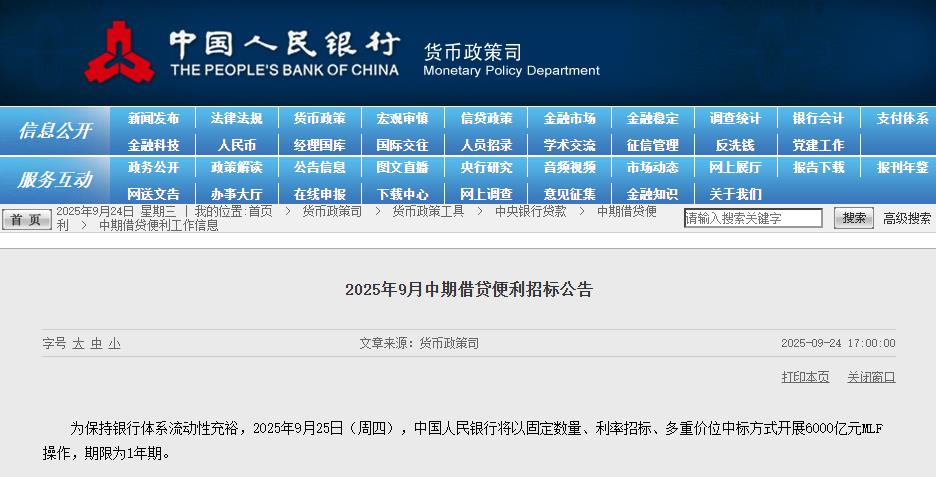
The People's Bank of China will conduct a 600 billion yuan Medium-term Lending Facility (MLF) operation on September 25th